Learn the signs of a broken garage door spring, torsion vs. extension springs, replacement costs, safety concerns and when to request professional help.
Garage Door Spring Replacement: Signs, Types, Costs, and When to Call a Professional
A garage door that suddenly feels too heavy, refuses to open, or makes a loud bang during operation may have a damaged or broken spring. Garage door springs play an important role in lifting and lowering the door by counterbalancing its weight. When a spring loses tension or breaks, the entire door system can become difficult and potentially unsafe to operate. Garage door spring replacement involves identifying the failed spring, selecting a compatible replacement and restoring the door's proper balance. The right replacement depends on the spring system, door weight, dimensions, hardware and expected usage. Understanding how garage door springs work, what causes them to fail and when professional attention is needed can help homeowners make informed repair decisions.
What Does a Garage Door Spring Do?
A garage door spring is part of the door's counterbalance system. Its primary purpose is to offset much of the door's weight so the door can move smoothly without placing excessive strain on the garage door opener. Residential garage doors can be heavy, particularly insulated steel and double-car doors. Without a functioning spring system, the opener may struggle to lift the door, and manual operation can become extremely difficult. The spring system works alongside several other components, including:
- Garage door cables: Transfer lifting force between the spring system and the door.
- Cable drums: Guide and manage lifting cables in torsion spring systems.
- Torsion shaft: Supports torsion springs and transfers rotational force.
- Rollers and tracks: Guide the door through its opening and closing movement.
- Garage door opener: Provides powered operation but is not designed to compensate for a failed spring.
- Hinges and panels: Connect door sections and allow the door to move along its tracks.
When these components work together correctly, the garage door can open and close with controlled movement.
What Are the Different Types of Garage Door Springs?
Most residential garage doors use one of two spring systems: torsion springs or extension springs. Although both perform the same general function, their location, operation and installation requirements are different.
1. Torsion Springs
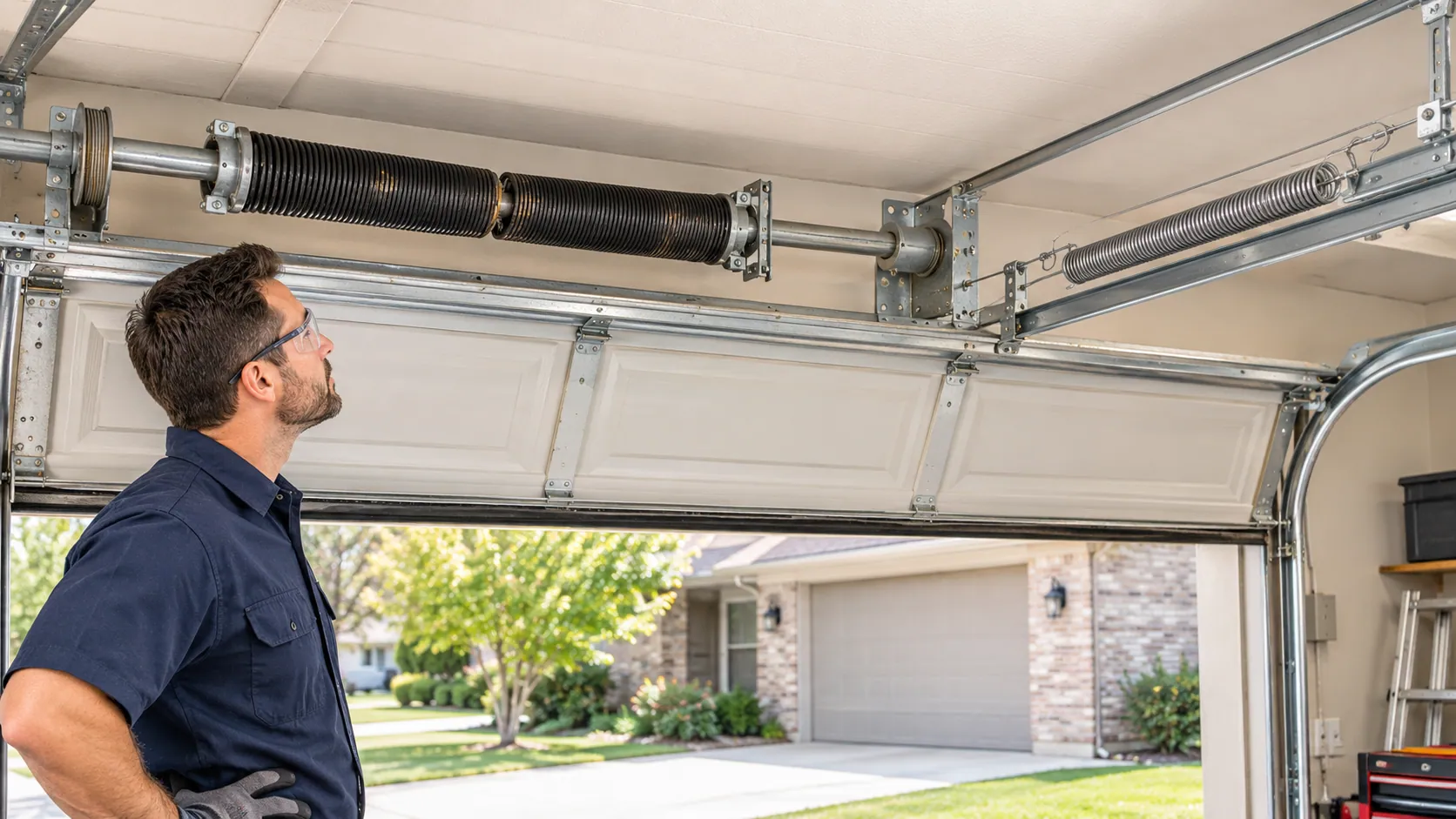
Torsion springs are mounted horizontally on a metal shaft above the garage door opening. They store mechanical energy by twisting as the door moves. When the garage door closes, the torsion spring stores energy. As the door opens, the spring releases that energy to assist with lifting. Common components of a torsion spring system include:
- Torsion spring
- Torsion shaft
- Winding cone
- Stationary cone
- Cable drums
- Bearing plates
- Center bearing
Some residential doors use a single torsion spring, while others use a two-spring configuration. Torsion springs are commonly selected for their controlled operation and ability to support different door weights. Their replacement requires proper spring sizing, tension adjustment and door balancing.
2. Extension Springs
Extension springs are generally installed along the horizontal tracks on either side of the garage door. Unlike torsion springs, which operate through twisting force, extension springs work by stretching and contracting. When the door closes, the springs extend and store energy. During opening, they contract and help lift the door. An extension spring system may include:
- Extension springs
- Pulleys
- Lift cables
- Safety cables
- Mounting brackets
Safety cables are particularly important in extension spring systems because they help contain a spring if it breaks under tension. Both spring types require appropriate installation and safety precautions. The correct replacement should match the door's weight and counterbalance requirements rather than being selected by appearance alone.
What Are the Signs That Your Garage Door Spring Needs Replacement?
A garage door spring does not always fail without warning. In some cases, homeowners notice changes in the door's movement before the spring breaks completely. Recognizing these symptoms can help prevent additional strain on the opener and other components.
1. The Garage Door Will Not Open
A broken spring is one possible reason a garage door suddenly refuses to open. The opener may run, but the door may remain on the ground or move only a few inches before stopping. This happens because the spring is no longer providing the lifting assistance needed to counterbalance the door.
2. A Loud Bang Comes From the Garage
A sudden loud bang from the garage can indicate that a torsion or extension spring has broken. The sound may resemble a heavy object falling or something striking the garage floor. Homeowners sometimes mistake this noise for an object falling inside the garage. If this happens, avoid operating the door and arrange a professional inspection.
3. The Garage Door Looks Crooked
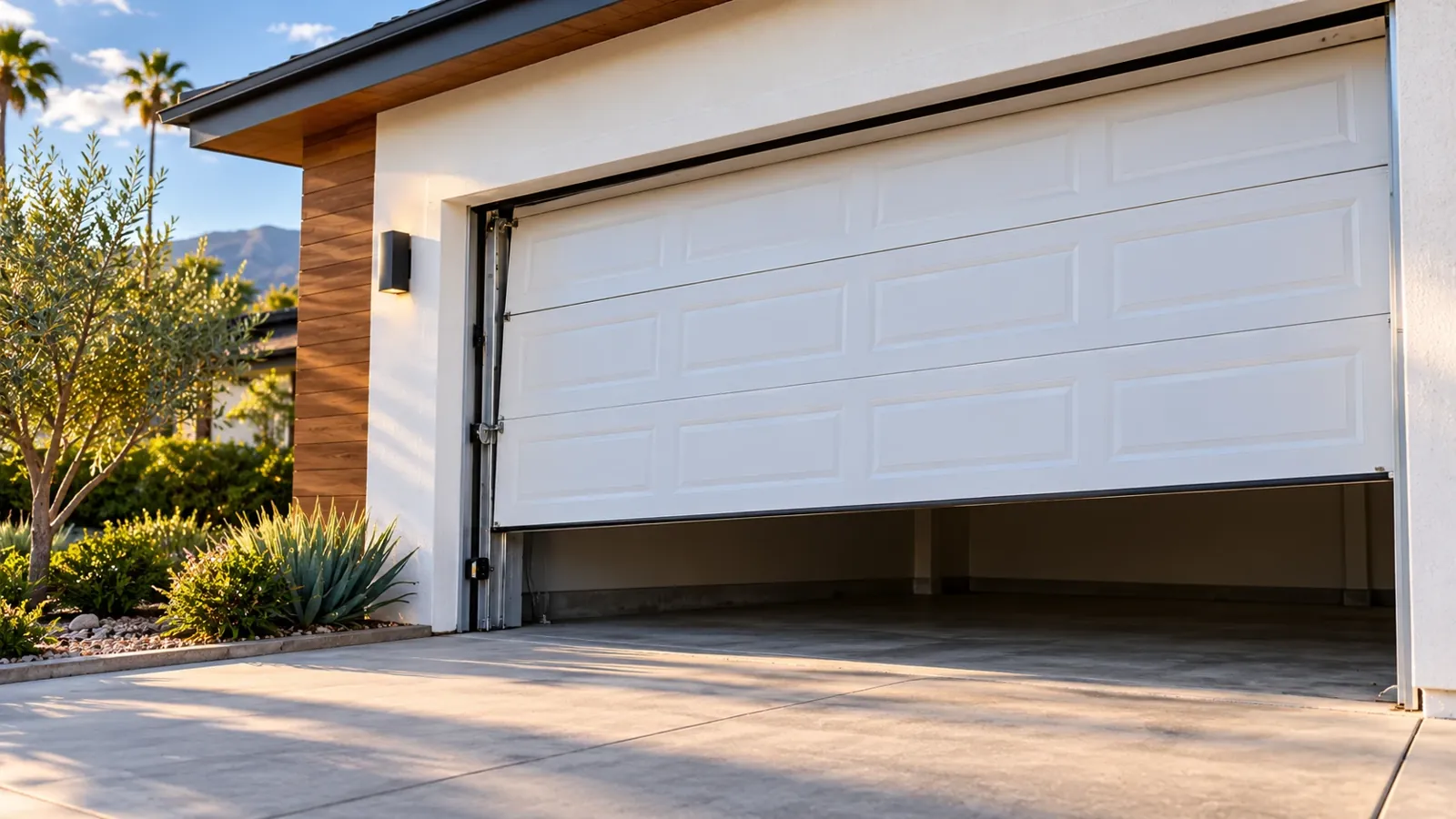
An uneven or tilted garage door may indicate a spring failure, particularly when one side loses its lifting assistance. However, damaged cables, track problems and other hardware issues can also cause uneven movement. A professional inspection is needed to identify the actual problem.
4. A Visible Gap Appears in the Torsion Spring
A broken torsion spring may show a noticeable separation between its coils. This gap can be a clear visual indication of spring failure when the spring is mounted above the garage door. Do not touch, move or attempt to adjust the spring to confirm the damage.
5. The Garage Door Feels Unusually Heavy
If a garage door suddenly becomes difficult to lift manually, its counterbalance system may not be functioning correctly. A failed spring can transfer much more of the door's weight to the person attempting to lift it or to the opener.
6. The Door Opens Only Partially
A garage door that starts opening but stops after a short distance may have a broken spring or another mechanical problem. Modern garage door openers may detect excessive resistance and stop operating to help prevent damage. These symptoms can overlap with cable, roller, track and opener problems. A proper diagnosis is important before replacing any component.
Why Do Garage Door Springs Break?
Garage door springs are mechanical components that experience repeated stress during normal operation. Over time, this repeated movement can cause fatigue and eventually lead to failure. Several factors influence how long a spring lasts.
Normal Wear and Tear
Every time a garage door completes an opening and closing cycle, its springs experience mechanical stress. A cycle generally means one complete opening and closing sequence. A spring rated for 10,000 cycles may reach that rating sooner in a household where the garage door is used frequently.
Frequent Garage Door Usage
Homes with multiple drivers may open and close their garage doors many times each day. Higher usage increases the number of spring cycles and can shorten the time before replacement becomes necessary.
Rust and Corrosion
Moisture and corrosion can affect the metal surface of a garage door spring. Rust may increase friction and contribute to premature wear, particularly when springs are exposed to humid or damp conditions.
Incorrect Spring Selection
A spring that does not match the garage door's weight and operating requirements may create an imbalance. Incorrect sizing can affect the door's movement and place additional stress on the opener and other hardware.
Poor Maintenance
Lack of routine inspection may allow corrosion, worn hardware or changes in door balance to go unnoticed. Professional inspections can help identify developing issues before they lead to a complete spring failure.
Garage Door Spring Replacement: What Does the Process Involve?
Professional garage door spring replacement involves more than installing a new spring. The replacement process should begin with an inspection of the entire counterbalance system to determine why the door is not operating correctly.
Step 1: Inspect the Garage Door System
The professional examines the spring assembly, cables, drums, mounting hardware and other relevant components. The door's dimensions, approximate weight and configuration help determine the correct replacement requirements.
Step 2: Identify the Spring Type
The technician determines whether the garage door uses a torsion spring or extension spring system. This distinction is important because each system requires different components and installation procedures.
Step 3: Determine the Appropriate Replacement
The replacement spring must be compatible with the garage door's weight, dimensions, track configuration and counterbalance requirements. Spring wire size, inside diameter, length and cycle rating may all be relevant when selecting a torsion spring.
Step 4: Inspect Related Hardware
The inspection may identify worn lift cables, cable drums, bearings, pulleys or other damaged components. These parts should be assessed before the door is returned to normal operation.
Step 5: Restore Door Balance and Test Operation
After the replacement, the professional checks whether the door moves smoothly and whether the counterbalance system operates correctly. The opener, safety features and relevant hardware should also be checked as part of the overall assessment. The exact work required depends on the garage door's configuration and the condition of its components.
How Much Does Garage Door Spring Replacement Cost?
The cost of garage door spring replacement depends on the type of spring, the number of springs, door specifications and the amount of labor involved. A simple spring replacement and a job involving additional damaged hardware will not necessarily have the same price. Several factors influence the final cost:
- Spring type: Torsion and extension springs have different designs and replacement requirements.
- Number of springs: A door may use one spring or a pair of springs.
- Door weight and dimensions: Larger, heavier and insulated garage doors may require different spring specifications.
- Spring cycle rating: Standard and high-cycle springs can differ in price and expected service life.
- Additional components: Damaged cables, bearings, drums or related hardware may require separate attention.
- Labor and service location: Local labor rates, travel requirements and appointment urgency can affect the overall estimate.
The most reliable way to understand your replacement cost is to have the actual spring system inspected and receive a written estimate before work begins. At Abul Hassan, customers can request a free written quote. Work should only proceed after the complete price and proposed work have been reviewed and approved.
Should Both Garage Door Springs Be Replaced?
Whether both garage door springs should be replaced depends on the system's configuration and the condition of the remaining spring. Many residential garage doors use two springs designed to work together. When one spring breaks, the other may have experienced a similar amount of wear and may be approaching the end of its service life. Replacing both springs at the same time can help maintain more consistent spring performance and avoid another service visit if the second spring fails shortly afterward. However, the recommendation should be based on an inspection rather than an automatic assumption. A professional should consider:
- Whether the door uses one spring or two.
- The age and condition of the remaining spring.
- Whether both springs have similar specifications.
- Whether the existing system is correctly sized for the door.
The homeowner should receive a clear explanation of the recommended work before approving the replacement.
Is It Safe to Replace a Garage Door Spring Yourself?
Garage door spring replacement is not a suitable DIY project for most homeowners. Torsion and extension springs store significant mechanical energy. Incorrect handling, adjustment or removal can cause a spring or related hardware to move suddenly and result in serious injuries. Torsion spring systems require specialized tools and proper tensioning procedures. Extension spring systems also present risks, particularly if a spring or cable fails while under tension. Homeowners should avoid:
- Attempting to wind or unwind torsion springs.
- Loosening spring mounting hardware.
- Removing spring cables or brackets.
- Operating the opener repeatedly when the spring is broken.
- Attempting to lift a heavy door with a failed counterbalance system.
If you suspect a broken spring, keep people and pets away from the door and arrange an inspection by a qualified garage door professional.
How Long Do Garage Door Springs Last?
Garage door spring lifespan is commonly measured in cycles rather than simply in years. One complete cycle consists of opening and closing the garage door once. For example, a spring rated for 10,000 cycles may last approximately 6.8 years in a household that completes four cycles per day. This is only an illustration. Actual lifespan depends on spring quality, installation, door weight, frequency of use, corrosion and maintenance. High-cycle springs may be an option for households that use their garage doors frequently. When considering replacement, ask about the spring's cycle rating and whether it is suitable for your door's operating requirements.
How Can You Extend the Life of Garage Door Springs?
Although normal wear cannot be eliminated, appropriate maintenance may help reduce avoidable stress on the garage door system. Consider the following practices:
- Arrange periodic inspections of springs and related hardware.
- Keep the garage door tracks clear of debris.
- Pay attention to unusual noises or changes in movement.
- Address corrosion and visible hardware deterioration.
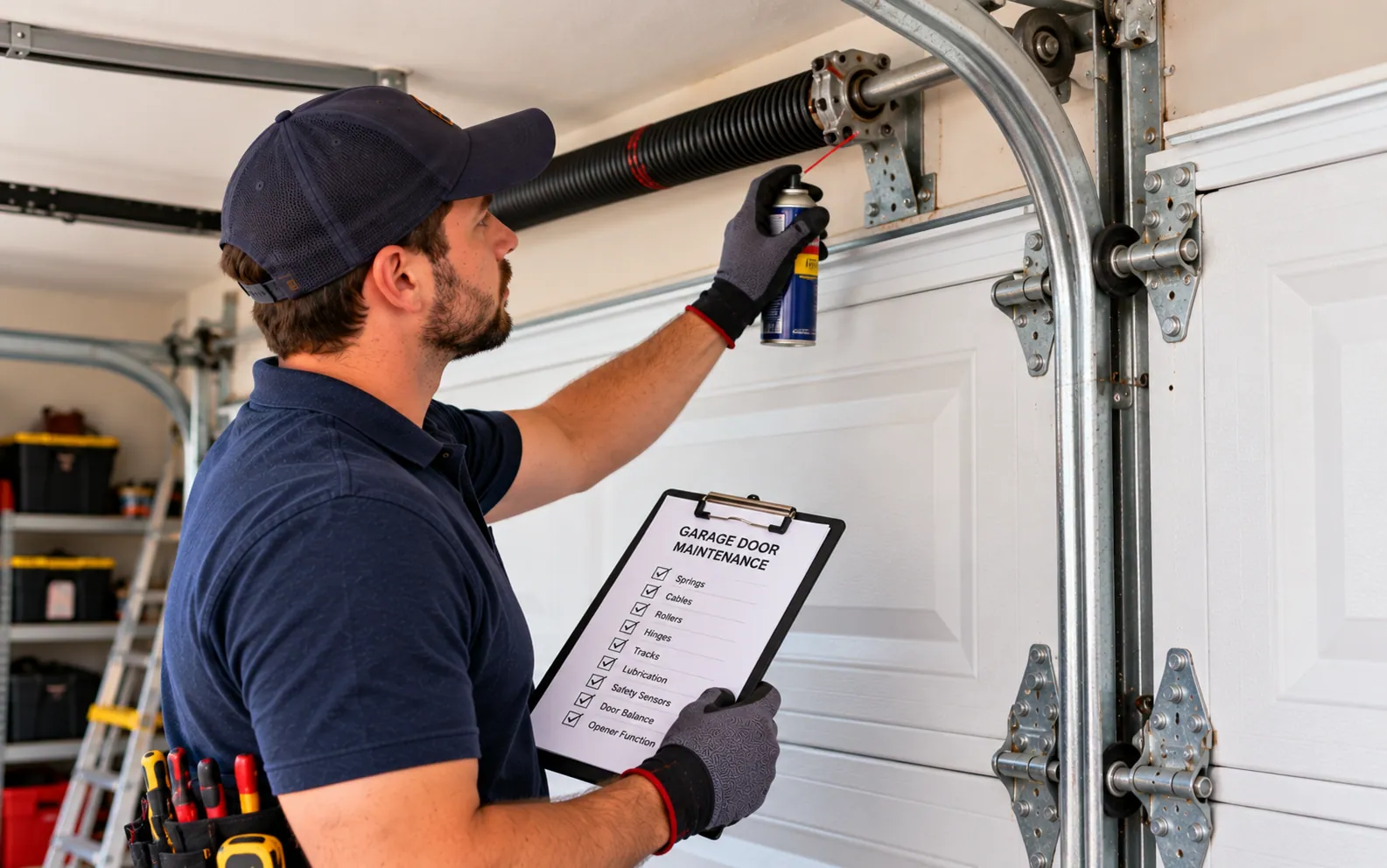
- Use an appropriate garage door lubricant where recommended by the manufacturer.
- Avoid repeatedly operating a door that shows signs of mechanical failure.
- Have door balance and spring performance checked by a professional.
Do not attempt to adjust spring tension as part of routine homeowner maintenance.
When Should You Request Professional Garage Door Spring Replacement?
You should request a professional inspection when the garage door becomes unusually heavy, refuses to open, moves unevenly or produces a sudden loud bang. A visible gap in a torsion spring is another strong indication that the system needs attention. The important thing is to identify the actual cause of the problem before deciding which components need replacement. Abul Hassan helps homeowners request garage door repair and replacement services through a network of screened local garage door professionals. The process is straightforward:
- 1Submit your service request with your city, ZIP code and a description of the problem.
- 2Your request is reviewed to determine the appropriate service requirements.
- 3A suitable local professional is identified for the job.
- 4You receive a written estimate for the proposed work.
- 5Work begins only after you review and approve the complete price.
If your garage door spring has broken or your door is no longer operating normally, request an inspection before attempting to operate it again.
Request a Garage Door Spring Replacement Quote from Abul Hassan
Get a clear assessment of your garage door problem and understand the proposed repair before approving the work.
Frequently Asked Questions
Can a garage door opener lift a door with a broken spring?
A garage door opener is not designed to compensate for a broken spring. Operating it in this condition can place excessive strain on the opener and related hardware. Avoid using the opener until the spring system has been inspected.
Can a broken garage door spring be repaired?
In most cases, a broken spring needs to be replaced rather than repaired. The replacement must match the door's counterbalance requirements.
How do I know if I have a torsion or extension spring?
Torsion springs are generally mounted horizontally above the garage door opening on a metal shaft. Extension springs are usually located along the horizontal tracks on either side of the door.
Why did my garage door spring break suddenly?
Springs can fail when repeated mechanical stress causes metal fatigue. Corrosion, high usage, incorrect spring sizing and other operating conditions can also contribute to premature failure.
Does a broken spring affect garage door cables?
It can. When a spring fails, the door may become unbalanced and place additional stress on lift cables. A professional should inspect the cables and related hardware before returning the door to operation.
Is a high-cycle garage door spring worth considering?
A high-cycle spring may be beneficial for a household that uses its garage door frequently. Its suitability depends on the door's weight, dimensions, spring configuration and expected usage.
Should I replace my garage door opener when replacing the spring?
Not necessarily. A broken spring does not automatically mean the opener needs replacement. The opener should be inspected separately to determine whether it has sustained damage or has another issue.
Can I manually open my garage door if its spring is broken?
A door with a broken spring may be extremely heavy and difficult to control. Attempting to lift it can cause injury or allow the door to fall. Keep away from the door and arrange professional assistance.